


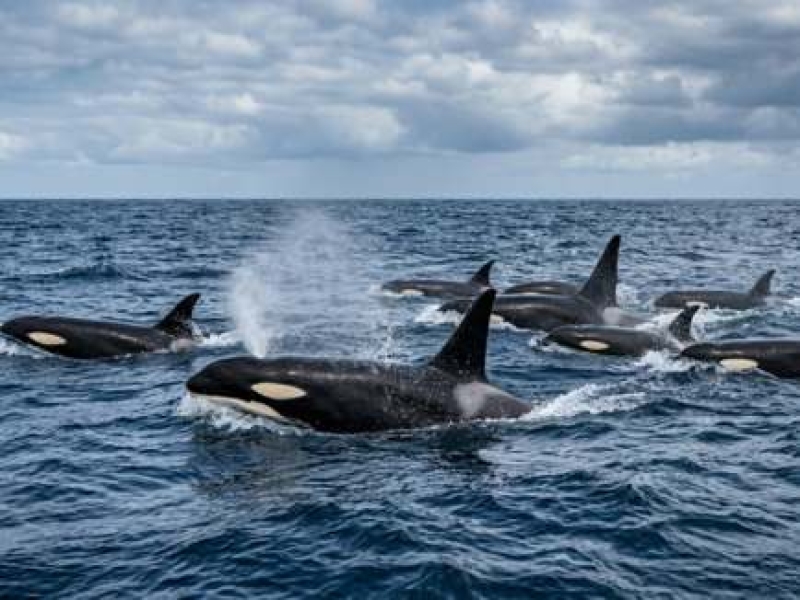
The behaviour of orcas towards boats in the Strait of Gibraltar
A Disconcerting Phenomenon: Interactions Between Orcas and Vessels Since 2020
Since 2020, the increasing number of incidents involving orcas and vessels in the Strait of Gibraltar has been as puzzling as it is alarming for experts and sailors alike. Faced with the recurrence of these orca-boat interaction episodes, researchers have decided to analyse this phenomenon, which has long remained without a clear explanation.
Over the past four years, a growing number of sailing boats and yachts have been targeted in sometimes dramatic interactions with these highly intelligent cetaceans. Until recently, the reasons behind orca behaviour remained unclear. A team of biologists now sheds new light on the matter: rather than aggression-driven attacks, these encounters appear to be playful and exploratory behaviour.
Orca Behaviour Likened to Play: Scientific Explanations
The Alarming Statistics of Orca-Boat Interactions
According to a report from the International Whaling Commission (IWC), commissioned by the Spanish and Portuguese authorities, no fewer than 673 interactions between orcas and boats have been recorded in the Strait of Gibraltar area since 2020. These encounters involving the strait's orcas range from simple encircling manoeuvres to more violent contact, targeting primarily the vessels' rudders. In some extreme cases, these orca-vessel interactions have resulted in sinkings: at least four boats are reported to have gone down, according to the report published on 24 May.
A Minority of Orcas Responsible for the Phenomenon
Scientists point out, however, that only around fifteen orcas, out of the forty identified around the Iberian Peninsula, are involved in these behaviours. The majority are young male orcas, described as particularly curious and prone to exploring their marine environment.
Orca Intelligence Explains These Behaviours
According to researchers, these orcas are not acting out of hostility. As highly intelligent social animals, orcas are known to manipulate and "play" with objects. Young orcas are thought to have observed their companions interacting with rudders and to have replicated these behaviours through imitation — a common phenomenon among these intelligent cetaceans.
In their report, experts consider the term "orca attacks" to be inappropriate. The interactions observed between orcas and boats are more consistent with play, socialisation, or a passing behavioural trend than with any aggressive intent.
The Key Role of Food Abundance in the Strait of Gibraltar
Playful Behaviours Linked to the Marine Environment
Specialists note that certain orca populations periodically develop atypical behaviours. For example, in the north-west Pacific, groups of orcas have been observed playing with porpoises to the point of causing their death, with no intention of feeding on them. In the late 1980s, these same orcas were also seen carrying dead salmon on their heads, with no apparent purpose.
The Impact of Climate Change on Orca Behaviour
These temporary behaviours may be explained by a favourable environmental context. In the waters of southern Europe and the Strait of Gibraltar, the increased presence of bluefin tuna — boosted by climate change — provides orcas with an abundant food source. With less time required for hunting, these cetaceans would have more time and energy available for playful and exploratory activities.
The report also highlights that a reduction in negative interactions with fishing activities may be encouraging these exploratory and social behaviours, characteristic of orca intelligence.
Recommendations for Reducing Incidents Between Orcas and Sailors
Preventive Measures Recommended by Experts
In light of this situation involving orcas in the Strait of Gibraltar, researchers are urging sailors to adopt preventive measures. They advise in particular:
- Staying close to shore when navigating
- Avoiding any aggressive deterrent methods, such as firecrackers or electric shocks, which are considered ineffective and potentially counterproductive
Such deterrent practices towards orcas could increase the animals' stress or agitation.
Technical Solutions to Reduce Interactions
Experts also suggest adapting the design of rudders to make them less attractive to orcas — an innovative solution that could significantly reduce the number of interactions between orcas and boats in the Strait of Gibraltar.
Share this content